The Power of One
The Power of One (often the power of a couple) was started as a regular feature in our newsletter, Habitat Happenings, published to give credit to those who improved their properties for birds and pollinators, purchased land in order to preserve good native habitat, or took other actions to aid birds.
Here, we continue this tradition of sharing what others have done on behalf of birds and their habitats. Often included are comments from people about their own experiences and perceived results.
“Our migratory birds are going through some very tough times, and we need action at every level to turn things around. But it’s really not enough to demand action at every level on the nationwide, state, and local scene. Every concerned American can do things at home to make the world better for birds. It’s not simply preaching conservation; it is practicing it! Saving Birds Thru Habitat is doing just that. The use of as many native plantings as possible in our own yards—from grasses to flowers to bushes to trees—is crucial. Protecting birds from window collisions and outdoor cats is part of the process. So is providing water in the yard and thoughtful bird-friendly shopping for the dinner table. Teaching and setting an example are weighty responsibilities, and Saving Birds Thru Habitat is showing the way.”
— Paul Baicich
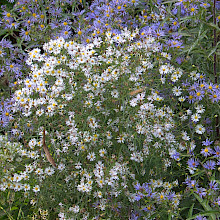
Kathie Albright and Mike Berst
Kathie Albright and Mike Berst have transformed a former lawn on their northern Michigan woodland property into a diverse native landscape supporting birds, butterflies, and other wildlife.
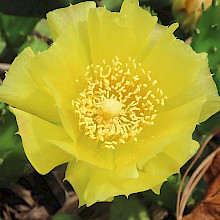
Beth Ayers
SBTH board member Beth Ayers has been restoring bird-friendly habitat on her North Carolina property, gradually replacing invasive plants and working with species native to the Piedmont region.
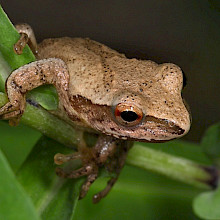
Gary Schultheiss and Barbara Richman
Gary Schultheiss and Barbara Richman purchased 37 acres of neighboring land in northern Michigan to protect the headwaters of a wetland on their property. By removing invasive plants and restoring native meadow habitat, they are helping ensure that the land will continue to support birds, insects, and other wildlife.
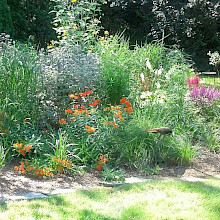
Schroeck’s Urban Lawn Conversion
The Schroecks gradually transformed their half-acre suburban property in Bloomfield Township, Michigan from a conventional lawn into a landscape filled with native shrubs, wildflowers, and grasses. Over time the yard has become a small but vibrant habitat supporting many birds, pollinators, and nesting wildlife, demonstrating how even an ordinary residential yard can contribute to restoring local ecosystems.
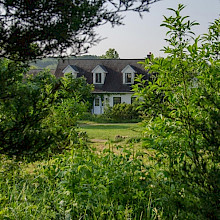
Doug and Cindy Tallamy
Doug and Cindy Tallamy transformed a degraded ten-acre property in Delaware—once dominated by invasive species—into a thriving landscape of native plants that now supports dozens of nesting birds and hundreds of moth species. Their work demonstrates how patient, steady restoration can bring wildlife back to even heavily altered land.
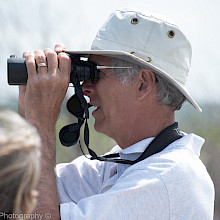
Brian Allen
Brian was driving by the Manistee County Blacker Airport when he saw an Upland Sandpiper. He also noticed a mower cutting grass nearby. He immediately contacted Airport Manager Barry Lind.
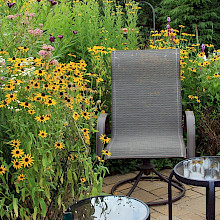
Jeff Kingery and Becky Alsup Kingery
Jeff Kingery and Becky Alsup Kingery began planting native flowers simply to hide a septic cap. Over time their small garden grew into a lively habitat filled with insects, hummingbirds, and visiting songbirds, showing how even a modest space can become a refuge for wildlife.
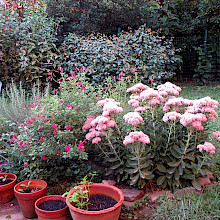
Howard Youth
In a small yard in suburban Bethesda, Maryland, conservation writer Howard Youth has created a refuge of native plants that supports nesting birds and migrating species. His growing yard list—now more than 120 species—shows how even a modest urban yard can become meaningful habitat.