
Habitat is Vital
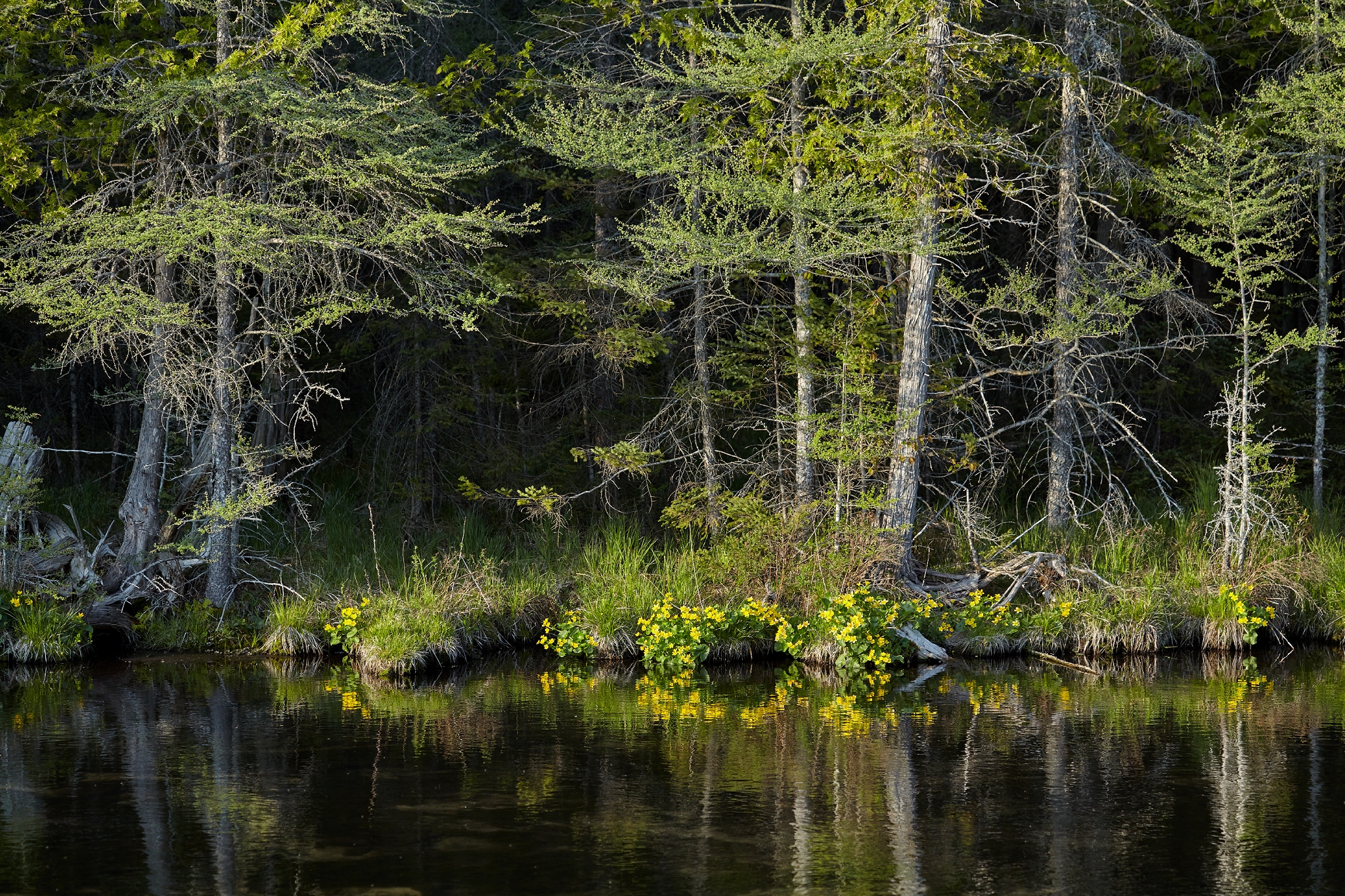
The vital connection between the survival of our songbirds and intact bird habitat with diverse regional native plant communities has been well established by scientific research. Informed estimates reveal that perhaps as little as 3% of our land area remains free from disturbance and is still able to support robust native plant and animal communities.
When we make a safe home for birds, we are making a safe home for our children and grandchildren.
Birds play many crucial roles that benefit ecosystems: pollination, seed dispersal, nutrient cycling, and pest and pathogen control. As unchecked development and invasive plants continue to erode intact bird habitat, the consequences reach far beyond birds — negatively affecting biodiversity, ecological resilience, and water and air quality. We depend upon thriving natural plant and animal communities, including birds, for the health of our planet and the suppression of pest insects that destroy agricultural crops as well as pathogens that threaten human health with disease. When we make a safe home for birds, we are making a safe home for our children and grandchildren.


Photos by Andy Reago, Chrissy McClarren and David Mosher
Plants are producers in the food web; they make their own food by converting sunlight into energy through the process of photosynthesis, a process that also creates life-sustaining oxygen. Plants are food, providing energy for other organisms. They filter pollutants too, contributing to clean air, water, and soil. Not all insects eat plants but those that do, collectively, are the main consumers of non-agricultural plants on land. However, as many as 90% of the insect herbivores are "specialists," meaning that they can only eat particular plant species, those they evolved with together.
We also know that native plant communities are under extreme duress not only from development but also from the domination of ecological resources by alien plant life — plants that cannot support the large and diverse native insect populations needed as food for birds. The majority of our songbirds, and our shorebirds too, feed insects and other invertebrates to their nestlings who require protein-rich and manageable soft-bodied prey, such as caterpillars (larval stage of moths and butterflies), grubs, maggots slugs, worms, grasshoppers, crickets, beetles, spiders, and tiny gnats and mosquitoes. Even if the adult birds are omnivorous and can eat seeds and berries and/or can break open the exoskeletons of certain other invertebrates, they may struggle to have reproductive success if the soft-bodied invertebrate food needed to feed their young is in short supply.
"To cherish what remains of the Earth and to foster its renewal is our only legitimate hope of survival. In order to do that, we must learn to see the world not as a collection of commodities, but as a community to which we belong."— Wendell Berry
American novelist, poet, essayist, farmer, and environmental activist who speaks out about agricultural and environmental issues
A Wildflower a Day
Our film, A Wildflower a Day, explores the close relationship between native plant communities, the insects that depend on them, and the songbirds whose survival depends, in turn, on those insects. It features photography of native plants in bloom in numerous sites across the state of Michigan, along with narration, poetry, music, and bird songs (from The Cornell Lab of Ornithology).

Watch and listen to the video.
Habitat is more than a place on a map. It is the living community that makes life possible — soil, water, plants, insects, and the countless relationships among them. When that community is healthy and diverse, birds find what they need: food, shelter, clean air and water, and places to nest and raise their young. When habitats shrink or are broken apart, those relationships begin to unravel. Birds lose the conditions that sustain them.
The Power of One
Bird habitat does not exclusively belong to national, state and community parks and set-aside natural areas or preserves. It can exist right outside our doors. Using native plants in our yards, managing hazards (like reflective glass windows, free-roaming cats, and pesticides), and creating a little more room for the natural world to function — these choices, multiplied across many places, can make a meaningful difference for birds!
Read stories from Power of One, highlighting individuals and small projects making a measurable difference for birds and habitat.
"Study after study has shown that habitat loss and degradation are the primary threats to healthy bird populations. Nothing else comes close."
— Dr. Gregory S. Butcher
Ornithologist and former International Migratory Species Coordinator, U.S. Forest Service (retired Dec. 2022)